

Pressure Washer Motors: Powering Performance and Cleaning
Introduction
Embark on a journey into the realm of Pressure Washer Motors and unveil their pivotal role in driving efficient pressure washer systems. This comprehensive guide unveils their distinctive attributes, extensive applications, projected lifespan, and vital indicators for timely replacement, ensuring continuous optimal performance.
Top 10 Characteristics of Pressure Washer Motors:
Pressure Washer Motors exhibit an array of attributes tailored for enhanced cleaning:
1. High Torque Power: Motors designed to deliver robust torque for effective cleaning force.
2. Dynamic Pressure Regulation: Featuring adjustable pressure settings for versatile applications.
3. Compact and Rugged: Engineered with durability in mind for long-lasting performance.
4. Thermal Protection: Integrated thermal safeguards prevent overheating during prolonged use.
5. Water-Resistant Design: Equipped to withstand water exposure during cleaning operations.
6. Vibration Dampening: Minimized vibration for stable and comfortable handling.
7. Low Maintenance: Simple maintenance procedures contribute to extended motor life.
8. Energy Efficiency: Designed to optimize power consumption and reduce costs.
9. Quick Installation: Facilitates hassle-free setup for immediate operation.
10. Versatile Compatibility: Suitable for a range of pressure washer systems.
Top 10 Applications of Pressure Washer Motors:
Pressure Washer Motors find utility in diverse cleaning scenarios:
1. Residential Cleaning: Powering home exterior, deck, and driveway cleaning.
2. Commercial Spaces: Maintaining cleanliness in business premises and storefronts.
3. Automotive Detailing: Efficiently cleaning vehicles, including cars and trucks.
4. Industrial Facilities: Clearing debris and dirt in factories and warehouses.
5. Construction Sites: Cleaning construction equipment, machinery, and surfaces.
6. Outdoor Furniture: Restoring outdoor furniture to its pristine condition.
7. Sidewalks and Pavements: Removing stains and dirt from walkways.
8. Public Areas: Maintaining cleanliness in parks, plazas, and public spaces.
9. Farm Equipment: Cleaning tractors, harvesters, and agricultural machinery.
10. Graffiti Removal: Efficiently removing graffiti from various surfaces.
Expected Lifespan of Pressure Washer Motors:
The operational lifespan of Pressure Washer Motors varies based on usage frequency and maintenance practices. Regular care can significantly extend their service life and reliability.
Signs Indicating Replacement of Pressure Washer Motors:
Stay observant for signs that suggest the need for motor replacement:
1. Decreased Cleaning Efficiency: Decline in pressure and cleaning power.
2. Unusual Noises: Uncommon sounds during motor operation.
3. Overheating: Frequent overheating leading to motor shutdowns.
4. Excessive Vibration: Vibrations that hinder stable operation.
5. Inconsistent Pressure: Fluctuations in water pressure output.
6. Increased Energy Consumption: Unexpected rise in power usage.
7. Water Leaks: Visible leaks during cleaning operations.
8. Motor Strain: Motor struggling to maintain consistent performance.
9. Poor Cleaning Results: Decline in cleaning effectiveness.
10. Age and Wear: Motors showing signs of wear and tear.
Top 3 Use Cases for Pressure Washer Motors:
1. Residential Cleaning: Powering home exterior and surface cleaning.
2. Commercial Spaces: Ensuring clean and inviting business environments.
3. Automotive Detailing: Efficiently cleaning vehicles for a polished look.
Summary
Pressure Washer Motors play a vital role in effective cleaning across diverse applications. Understanding their features, applications, and replacement indications ensures consistent cleaning performance and optimal motor longevity.
Product Recommendations:
-
 Regular Price $2841.49 Special Price $1500.25
 -
 Regular Price $3009.29 Special Price $1588.86
 -
 Regular Price $1482.79 Special Price $782.87
 -
 Regular Price $1523.99 Special Price $804.67
 -
 Regular Price $1742.29 Special Price $919.89
 -
 Regular Price $2879.29 Special Price $1520.14
 -
 Regular Price $2101.29 Special Price $1109.35
 -
 Regular Price $2199.79 Special Price $1161.44
 -
 Regular Price $1912.49 Special Price $1009.74
 -
 Regular Price $2338.79 Special Price $1234.74
 -
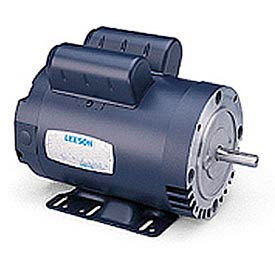 Regular Price $2879.99 Special Price $1520.61
 -
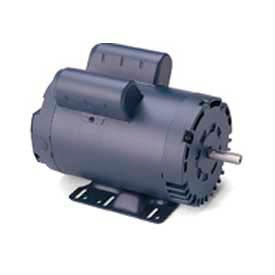 Regular Price $3041.79 Special Price $1606.05
 -
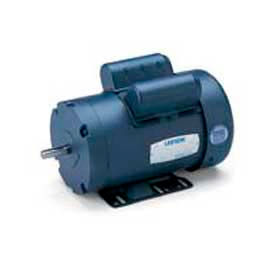 Leeson Motors Single Phase General Purpose Motor 3HP 3450RPM 56H TEFC 230V 60HZ Manual 1SF 116705.00Regular Price $2325.29 Special Price $1227.67
 -
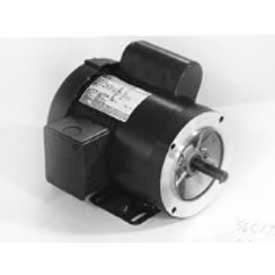 Regular Price $1569.79 Special Price $828.74
 -
 Regular Price $2025.49 Special Price $1069.43
 -
 Regular Price $1647.29 Special Price $869.75
 -
 Regular Price $2235.49 Special Price $1180.30
 -
 Regular Price $3027.79 Special Price $1598.67
 -
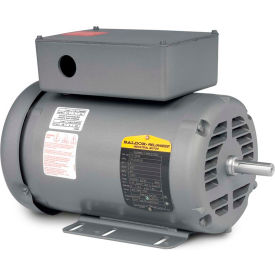 Regular Price $2816.79 Special Price $1487.24
 -
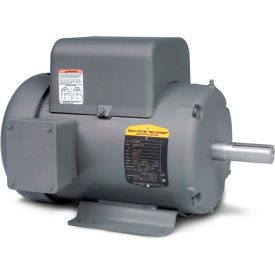 Regular Price $2517.49 Special Price $1329.23
 -
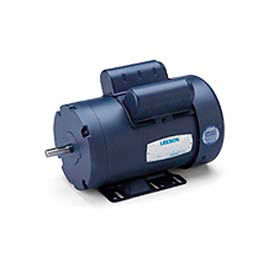 Regular Price $1832.00 Special Price $967.29
 -
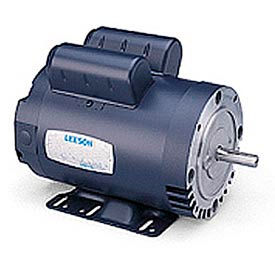 Regular Price $3338.79 Special Price $1762.72
 -
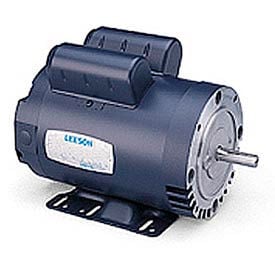 Regular Price $3030.49 Special Price $1600.02
 -
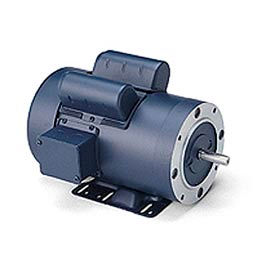 Regular Price $2016.29 Special Price $1064.55
 -
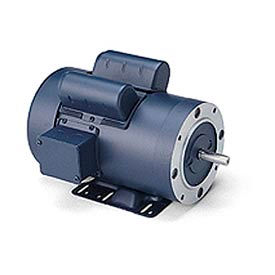 Regular Price $2303.49 Special Price $1216.21
 -
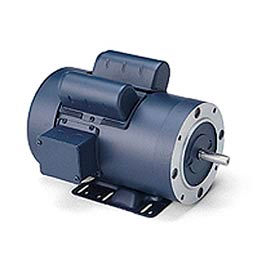 Regular Price $2768.49 Special Price $1461.74
 -
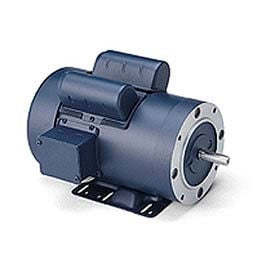 Regular Price $4234.49 Special Price $2235.72
 -
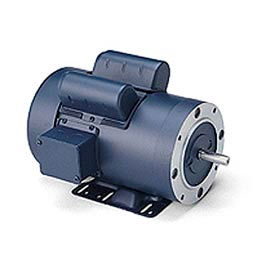 Regular Price $3866.99 Special Price $2041.72
 -
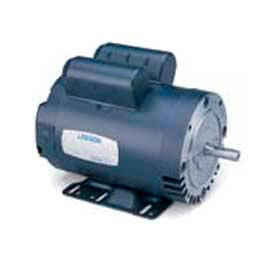 Leeson Motors Single Phase General Purpose Motor 3HP 1740RPM 184 TEFC 208-230V 60HZ Manual 131855.00Regular Price $3452.79 Special Price $1823.02
 -
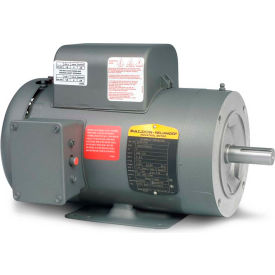 Regular Price $2638.79 Special Price $1393.26
 -
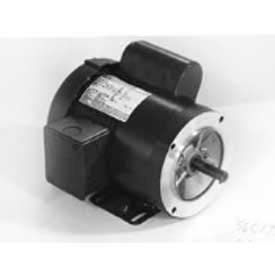 Regular Price $859.99 Special Price $454.04
 -
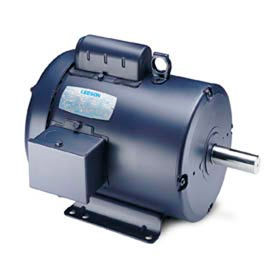 Regular Price $2798.79 Special Price $1477.66
 -
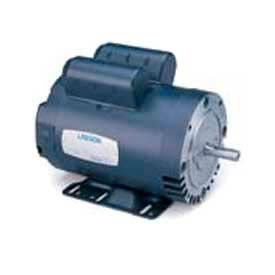 Leeson Motors Single Phase General Purpose Motor 5HP 1740RPM 184 TEFC 208-230V 60HZ Manual 131856.00Regular Price $3972.79 Special Price $2097.52