
Navigating the Fentanyl Crisis: Protection, Prevention, and Response

Overview
In recent years, the United States has been grappling with a formidable adversary—the rising tide of Fentanyl, a potent synthetic opioid that has evolved from a legitimate medical tool into a pervasive and deadly street drug. As communities and individuals face the growing threat of Fentanyl exposure, it becomes paramount to equip ourselves with knowledge and strategies to protect against this epidemic (AMA, Nov 2023). This comprehensive blog post explores the multifaceted aspects of Fentanyl, from its origins to the top ways to minimize risks, and from the importance of personal protective equipment (PPE) to identifying high-risk locations. Let's dive into this crucial topic to understand, prepare, and respond effectively.
Table of Contents
- The Rising Tide of Fentanyl: A Looming Epidemic in the USA
- Protecting Against Fentanyl Exposure: Your Guide to PPE Products
- Dealing with Fentanyl Exposure: Prevention, Identification, and Response
- Identifying High-Risk Locations for Fentanyl Exposure
Part 1 - The Rising Tide of Fentanyl: A Looming Epidemic in the USA
Fentanyl, a synthetic opioid originally developed for medical purposes, has become a menacing force in the United States. Its history in the country is marked by a trajectory that has transformed it from a legitimate medication to a deadly street drug. In this blog, we'll delve into the history of Fentanyl use in the USA and how it has evolved into a serious epidemic.
The Birth of Fentanyl
Fentanyl, first synthesized by Dr. Paul Janssen in Belgium in 1960 (Stanley, American Pain Society, December, 2014) , was introduced to the medical world as a potent and effective pain reliever. It was initially used in clinical settings for severe pain management, such as during surgeries or for patients with cancer experiencing excruciating pain. Due to its high potency, it was intended for short-term, supervised use.
Medical Applications
In the following decades, Fentanyl found its place in the medical field. It was administered through various forms, including patches, lozenges, and injections, to provide relief to patients dealing with severe pain. The pharmaceutical industry produced a range of brand-name formulations, including Duragesic, Actiq, and Sublimaze.
The Unintended Consequences
While Fentanyl proved highly effective in clinical settings, its potency also posed significant risks when misused. The unintended consequences of Fentanyl use began to surface as reports of diversion and abuse increased (What is Fentanyl, National Institute on Drug Abuse, June, 2021).
The Early Signs
In the 1970s, the first signs of Fentanyl abuse emerged as some patients began tampering with patches to extract the drug for recreational use. The risk of overdose was a constant concern, but these early cases were relatively isolated.
The 21st Century Crisis
The 21st century witnessed a troubling shift in the Fentanyl landscape. The opioid crisis, fueled by the overprescription of painkillers like OxyContin and Vicodin, created a growing demand for stronger opioids. Fentanyl, with its high potency, filled that demand. Illicitly manufactured Fentanyl began to flood the black market, leading to a surge in overdoses and fatalities.
The Illicit Market
One of the key factors in the Fentanyl epidemic's rapid escalation was the emergence of the illicit Fentanyl market. This synthetic opioid began to appear in street drugs, including heroin and counterfeit prescription pills, often unbeknownst to users. The consequences were devastating.
Fentanyl-Laced Heroin
Many heroin users unknowingly consumed Fentanyl-laced heroin, leading to a significant increase in overdose deaths. The combination of two potent opioids heightened the risk, as users could easily overdose due to the unpredictability of Fentanyl's potency. (5 things everyone should know about fentanyl, Health & Wellness Services, UColorado, September, 2023).
Counterfeit Pills
Counterfeit prescription pills containing Fentanyl became alarmingly common. These pills, made to resemble legitimate medications, were sold on the streets and dark web. Users who believed they were taking a less potent drug faced fatal consequences.
The Lethality of Fentanyl
Fentanyl's potency cannot be overstated. It is estimated to be 50 to 100 times more potent than morphine and many times more potent than heroin. Even a tiny amount can lead to a lethal overdose. This lethality has made it a formidable adversary in the opioid crisis. (Fentanyl: One Pill Kills, Texas HHS)
Law Enforcement and Legislative Responses
Recognizing the gravity of the situation, law enforcement agencies and lawmakers have taken steps to combat the illicit Fentanyl trade. These efforts have included cracking down on the production and distribution of the drug, as well as increasing penalties for those involved.
The Federal Response
At the federal level, measures have been taken to control the production of Fentanyl precursors and strengthen penalties for trafficking. The SUPPORT Act of 2018, for example, aimed to address the opioid crisis, including the rise of Fentanyl.
State-Level Initiatives
States have also taken action to combat the Fentanyl epidemic. Some have implemented stricter regulations on prescribing opioids, while others have expanded access to naloxone, an opioid overdose reversal medication.
The Ongoing Battle
Despite these efforts, the Fentanyl epidemic continues to take a toll on communities across the USA. Its clandestine nature, high potency, and adaptability make it a formidable adversary. The need for a comprehensive approach that combines law enforcement, healthcare, and addiction treatment is more crucial than ever.
Section Wrap-Up
The history of Fentanyl use in the USA is a cautionary tale of a powerful medication gone rogue. From its legitimate medical applications to its transformation into a lethal street drug, Fentanyl's journey has been marked by tragedy. As the country grapples with the ongoing epidemic, it is clear that a multifaceted approach is needed to address the root causes and save lives. The battle against Fentanyl is far from over, and continued vigilance is essential to combat this deadly threat.
Part 2 - Protecting Against Fentanyl Exposure: Your Guide to PPE Products
In recent years, the opioid crisis has swept across the nation, with Fentanyl being one of the most potent and dangerous substances in the mix. Whether you're a first responder, law enforcement officer, or anyone concerned about potential exposure to Fentanyl or similar hazardous materials, personal protective equipment (PPE) is your first line of defense (Preventing Emergency Responders’ Exposures to Illicit Drugs, CDC, February, 2020). In this comprehensive guide, we will explore various PPE products and how they can help protect you in different situations involving Fentanyl exposure.
Personal Protective Equipment (PPE)
Personal Protective Equipment, commonly known as PPE, encompasses a wide range of gear designed to shield individuals from various hazards. In the context of Fentanyl exposure, PPE is crucial to prevent accidental contact with this potent opioid, which can be life-threatening even in small amounts.
Typical Applications:
- First Responder Operations: First responders, including paramedics and firefighters, require PPE to safely handle potential Fentanyl overdose cases.
- Law Enforcement: Police officers may encounter Fentanyl during drug raids or arrests, necessitating the use of protective gear.
- Medical Professionals: Healthcare workers may use PPE when treating patients who have ingested or been exposed to Fentanyl.
Product Recommendations:
- Personal Protective Equipment
- Eye & Face Protection
- Eyewear Accessories & Storage
- Face Shields & Headgear
- Safety Glasses & Replacement Lenses
- Safety Goggles & Replacement Lenses
- Gloves & Hand Protection
- Glove & Hand Accessories
- Gloves
- Disposable Clothing
- Respiratory Protection
- Disposable Respirators, Masks & Dispensers
- Facepieces, Assemblies & Cartridges
- PAPR & Supplied Air (SAR)
- Respiratory Fit Testing & Personal Monitoring
- Self-Contained Breathing Apparatus (SCBA) & Emergency Escape
Now, let's delve into each of these categories in more detail:
Eye & Face Protection
Eye and face protection gear is essential when working with hazardous substances like Fentanyl. It shields your eyes and face from potential splashes or airborne particles.
Typical Applications:
- First Responder Operations: First responders often need eye and face protection when assisting overdose victims.
- Law Enforcement: Police officers may use these products during drug-related operations.
- Laboratory Work: Scientists working with controlled substances like Fentanyl require this protection.
Product Recommendations: Eye & Face Protection Products
Eyewear Accessories & Storage
Eyewear accessories include items like eyeglass retainers and cleaning solutions. Proper storage is crucial to maintain the integrity of eye protection gear.
Typical Applications:
- Daily Use: Individuals who wear eyeglasses can benefit from these accessories.
- Lab and Research Settings: Scientists and researchers using safety glasses may need these accessories.
- Long-Term Storage: Storing safety goggles and glasses when not in use.
Product Recommendations: Eyewear Accessories & Storage Products
Face Shields & Headgear
Face shields offer full-face protection, including the eyes, nose, and mouth. Headgear ensures a secure fit and comfort during prolonged use.
Typical Applications:
- Medical Settings: Healthcare workers dealing with infectious diseases or hazardous materials.
- Chemical Handling: Workers handling dangerous chemicals where full-face protection is necessary.
- Construction: Protection against flying debris and hazards in construction.
Product Recommendations: Face Shields & Headgear Products
Safety Glasses & Replacement Lenses
Safety glasses are a common form of eye protection. Replacement lenses ensure continued use and clear vision.
Typical Applications:
- Industrial Work: Workers exposed to dust, debris, or chemical splashes.
- Sports and Recreation: Safety glasses for activities like shooting sports.
- Laboratory Work: Scientists and researchers using safety glasses.
Product Recommendations: Safety Glasses & Replacement Lenses Products
Safety Goggles & Replacement Lenses
Safety goggles provide a sealed eye protection solution, ideal for situations where a tight seal is required.
Typical Applications:
- Chemical Handling: Workers dealing with corrosive substances.
- Medical Procedures: Protective eyewear for healthcare workers during procedures.
- Welding: Eye protection for welders against sparks and debris.
Product Recommendations: Safety Goggles & Replacement Lenses Products
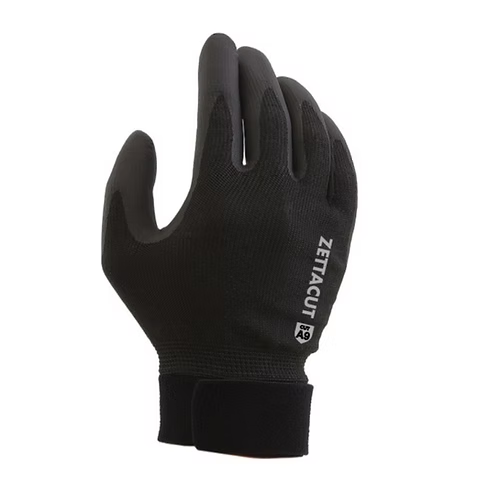
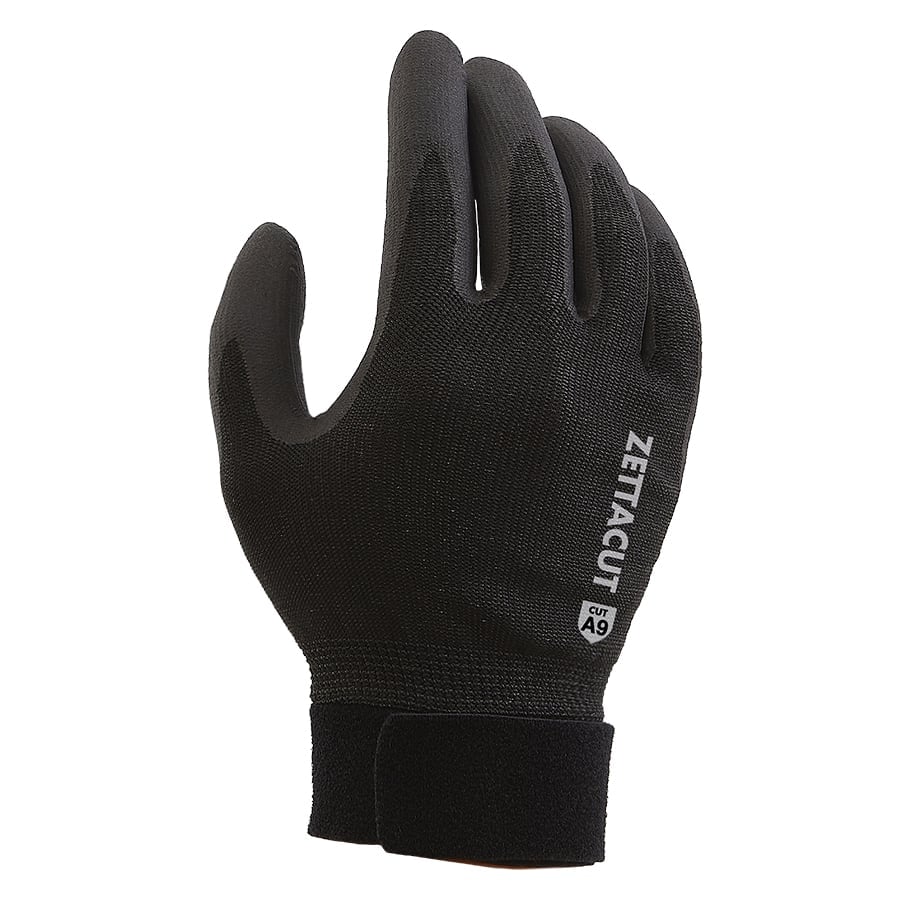
Gloves & Hand Protection
Hand protection is vital when handling hazardous materials like Fentanyl. Gloves shield your hands from contact.
Typical Applications:
- First Responder Operations: Paramedics and firefighters handling overdose cases.
- Law Enforcement: Police officers during drug-related arrests.
- Chemical Handling: Workers in chemical and pharmaceutical industries.
Product Recommendations: Gloves & Hand Protection Products


Glove & Hand Accessories
Accessories like glove liners and hand creams enhance comfort and safety when wearing gloves.
Typical Applications:
- Cold Environments: Liners for cold-weather work.
- Moisturizing: Hand creams to prevent skin dryness and irritation.
- Extended Use: Accessories for individuals wearing gloves for long durations.
Product Recommendations: Glove & Hand Accessories Products
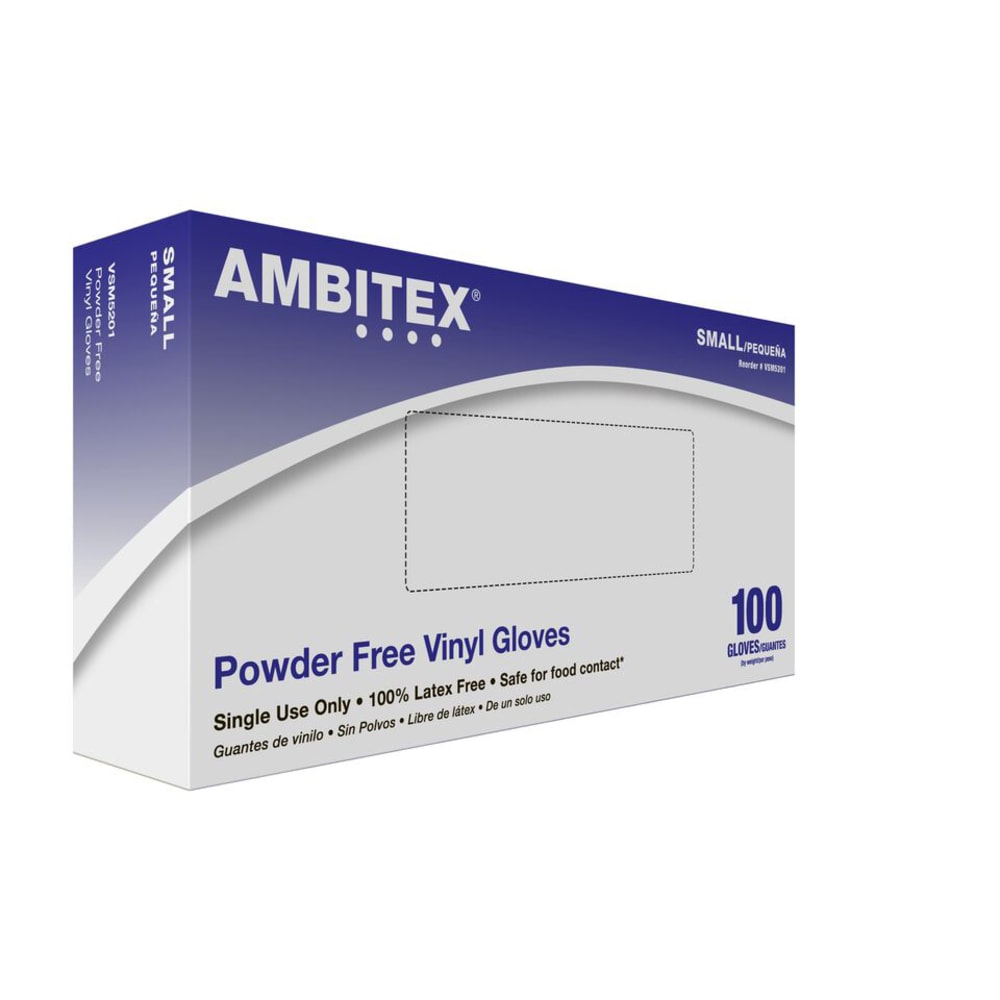
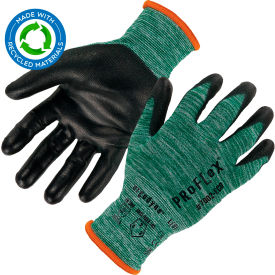
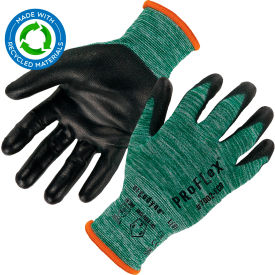
Gloves
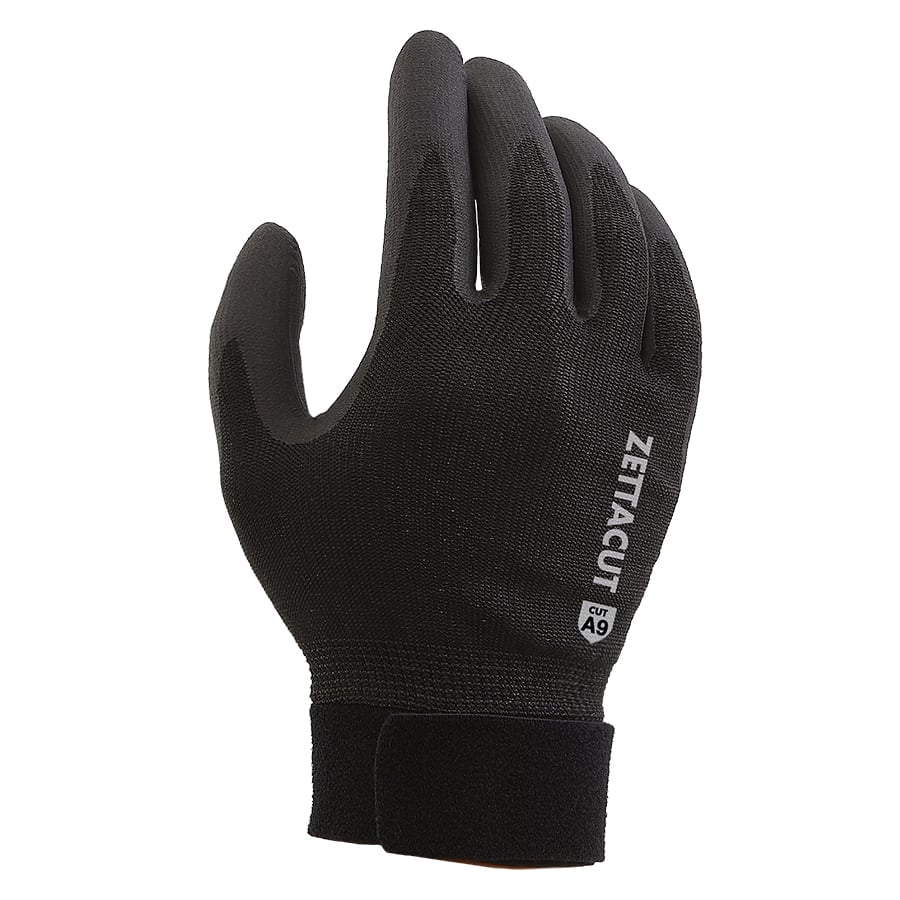
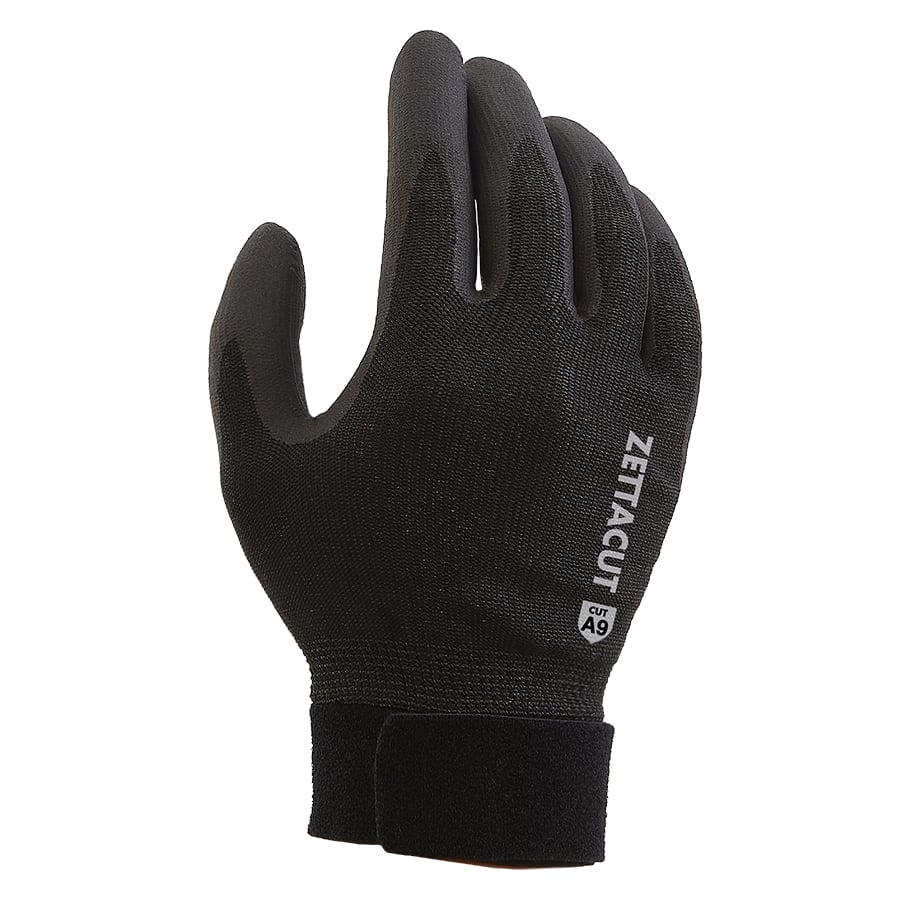
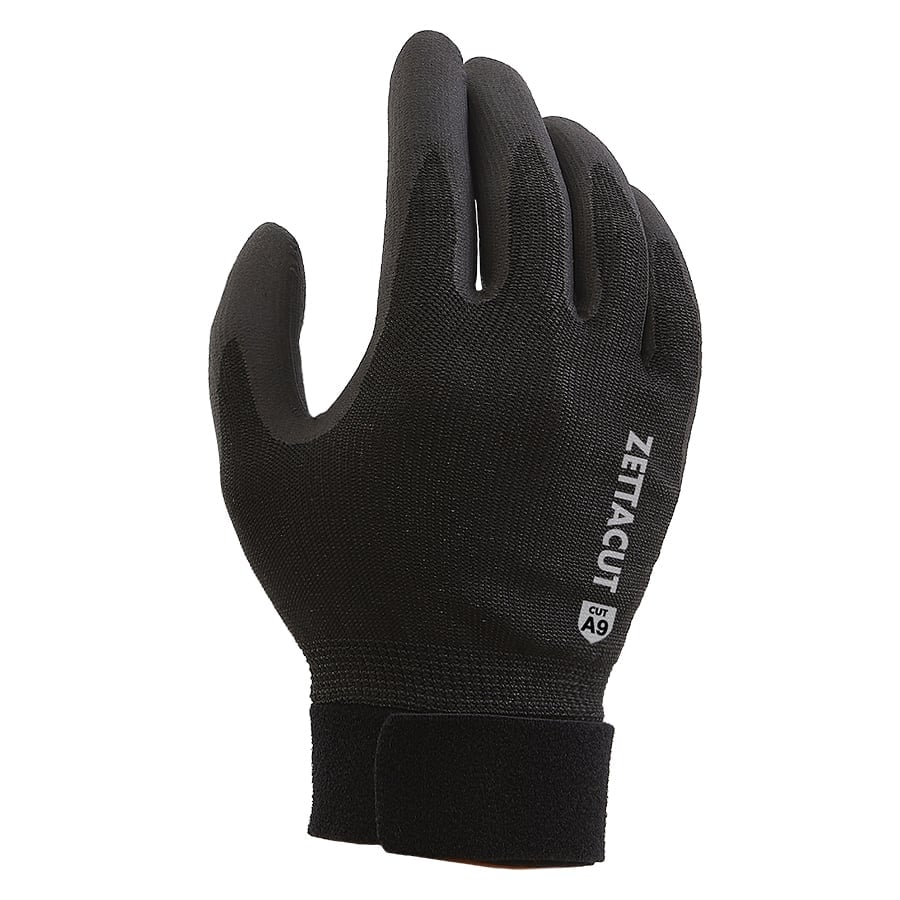
Gloves come in various materials and designs, each suitable for specific applications and hazards.
Typical Applications:
- Latex Gloves: Common in healthcare settings.
- Nitrile Gloves: Chemical resistance for laboratory work.
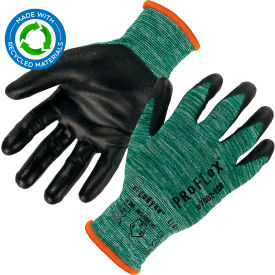
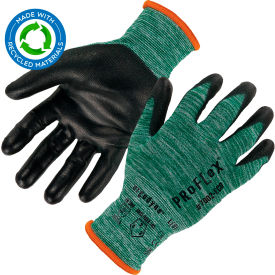
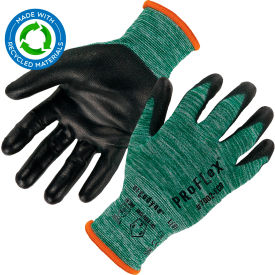
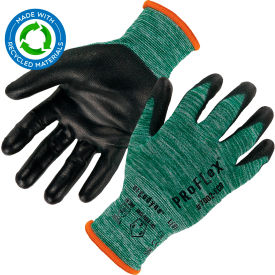
- Cut-Resistant Gloves: Ideal for handling sharp objects.
Product Recommendations: Gloves Products
-
 MCRSpecial Price $111.02 Regular Price $210.29
 -
 TradexSpecial Price $7.79 Regular Price $12.99
 -
 ErgodyneSpecial Price $30.76 Regular Price $58.29
 -
 ErgodyneSpecial Price $30.76 Regular Price $58.29
 -
 ErgodyneSpecial Price $30.76 Regular Price $58.29
 -
 ErgodyneSpecial Price $30.76 Regular Price $58.29
 -
 ErgodyneSpecial Price $30.76 Regular Price $58.29
 -
 ErgodyneSpecial Price $30.76 Regular Price $58.29
Disposable Clothing
Disposable clothing offers full-body protection against hazardous materials. It is crucial in situations involving Fentanyl exposure.
Typical Applications:
- Cleanrooms: Used in controlled environments to prevent contamination.
- Hazardous Materials Handling: Protection against chemical spills.
- Healthcare: Disposable gowns for infection control.
Product Recommendations: Disposable Clothing Products
Respiratory Protection
Respiratory protection is essential when working in environments with airborne contaminants, such as Fentanyl.
Typical Applications:
- Chemical Handling: Protection against toxic fumes.
- Healthcare: Preventing the inhalation of infectious agents.
- Construction: Protection against dust and particulate matter.
Product Recommendations: Respiratory Protection Products





Disposable Respirators, Masks & Dispensers
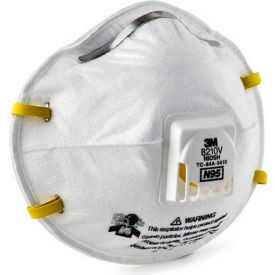
Disposable respirators and masks provide respiratory protection against airborne hazards.
Typical Applications:
- Construction: Dust and debris protection.
- Healthcare: Preventing the spread of infectious diseases.
- Industrial Settings: Protection against fine particulate matter.
Product Recommendations: Disposable Respirators, Masks & Dispensers Products
Facepieces, Assemblies & Cartridges
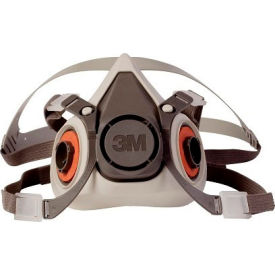
Facepieces and cartridges are key components of respirators, providing filtration and protection.
Typical Applications:
- Chemical Handling: Protection against toxic gases.
- Industrial Environments: Filtering out airborne pollutants.
- Emergency Response: Respiratory protection during crises.
Product Recommendations: Facepieces, Assemblies & Cartridges Products
PAPR & Supplied Air (SAR)
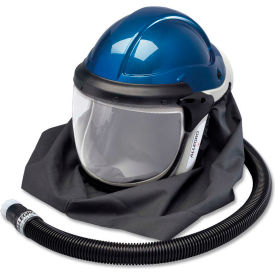
Powered Air-Purifying Respirators (PAPR) and Supplied Air Respirators (SAR) provide continuous clean air for the wearer.
Typical Applications:
- Hazardous Materials Handling: Protection against toxic gases.
- Healthcare: Enhanced respiratory protection in infectious disease settings.
- Industrial Work: Protection in environments with limited air supply.
Product Recommendations: PAPR & Supplied Air (SAR) Products
Respiratory Fit Testing & Personal Monitoring
Fit testing ensures that respiratory protection gear fits properly, while personal monitoring tracks air quality.
Typical Applications:
- Occupational Health: Ensuring workers have a secure fit for their respirators.
- Emergency Response: Monitoring air quality in disaster scenarios.
- Healthcare: Ensuring the safety of healthcare professionals.
Product Recommendations: Respiratory Fit Testing & Personal Monitoring Products
Self-Contained Breathing Apparatus (SCBA) & Emergency Escape
SCBA provides a self-contained air supply, vital in life-threatening situations, while emergency escape devices facilitate rapid evacuation.
Typical Applications:
- Firefighting: SCBA for firefighters entering burning structures.
- Confined Spaces: Ensuring air supply in tight, hazardous spaces.
- Emergency Evacuation: Devices for rapid escape in emergencies.
Product Recommendations: Self-Contained Breathing Apparatus (SCBA) & Emergency Escape Products
Section Wrap-Up:
In the face of the Fentanyl crisis and similar hazards, protecting yourself with the right PPE is essential. The comprehensive range of products available in these categories ensures that you can find the right gear to safeguard against Fentanyl exposure and other dangerous substances. Stay safe, stay protected.
Explore all PPE Products on GoVets: