

Power Tool Safety Guide
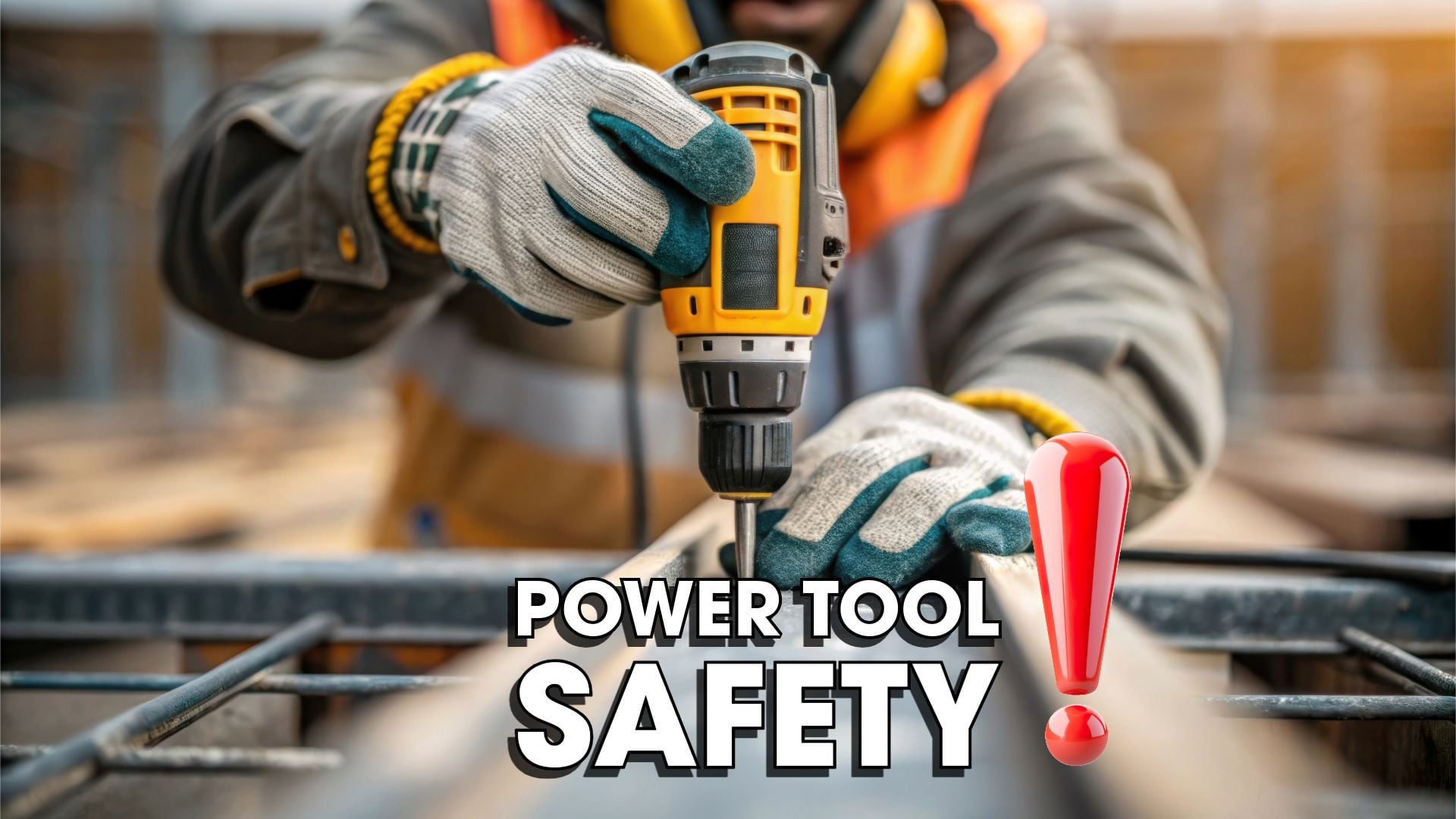
Power Tool Safety: A Smart Guide to Stay Safe and Sharp
Power tools are the muscle behind modern construction, repairs, and DIY projects. From drills and saws to sanders and grinders, they help us accomplish jobs faster and more efficiently. But with great power comes great responsibility—and potential danger. Whether you're a seasoned tradesperson or a weekend warrior, following proper power tool safety practices is critical.
Here’s a practical and easy-to-follow guide to using power tools safely and confidently.
1. Know Your Tool Before You Power Up
Before touching the “on” switch:
-
Read the manual – even if you're experienced, each tool has specific instructions and limitations.
-
Understand the function – know what your tool is designed for and don’t try to make it do more than it should.
-
Check for defects – inspect power cords, blades, bits, and switches for damage.
2. Gear Up: Use the Right Personal Protective Equipment (PPE)
Your first line of defense is what you wear:
-
Eye protection: Always wear safety goggles to guard against flying debris.
-
Hearing protection: Earplugs or earmuffs reduce the risk of long-term hearing damage.
-
Gloves: Wear gloves for grip and protection, but be cautious—loose gloves can be dangerous with rotating tools.
-
Dust masks or respirators: Especially when working with wood, drywall, or metals.
-
Proper clothing: Avoid loose-fitting clothes and jewelry. Tie back long hair.
3. Keep Your Workspace Clean and Organized
A cluttered workspace is an accident waiting to happen:
-
Clear your work area of unnecessary tools, cords, and materials.
-
Ensure good lighting so you can clearly see what you’re working on.
-
Secure your workpiece with clamps or vices to avoid unexpected movement.
4. Use Tools the Right Way
Misusing tools is a major cause of injury:
-
Use the correct tool for the job—never substitute a tool for something it wasn’t designed to do.
-
Stay focused—don’t rush, and never use tools when tired or distracted.
-
Maintain control—always keep a firm grip and stable stance.
-
Disconnect tools before changing accessories like blades or bits.
5. Electrical Safety Matters
Electric shock is a hidden hazard:
-
Use grounded outlets and GFCI protection especially in damp environments.
-
Inspect cords regularly for wear or damage.
-
Don’t pull cords to disconnect; unplug tools by the plug itself.
-
Keep cords away from sharp edges, heat, and oil.
6. Store Tools Safely
When the job is done:
-
Unplug and clean tools before storage.
-
Store in dry, locked cabinets or toolboxes, especially if you have kids or pets around.
-
Label storage areas for easy access and to avoid confusion.
7. Don’t Work Alone When Using Hazardous Tools
If you're using high-risk tools like table saws or angle grinders, it’s wise to:
-
Have someone nearby in case of an emergency.
-
Let others know what you’re doing and when you'll be finished.
8. Training and Maintenance Go Hand-in-Hand
-
Stay up to date with training on new tools or techniques.
-
Regular maintenance keeps tools in top shape and helps prevent accidents.
-
Replace worn-out parts and sharpen blades when needed.
Final Thoughts: Safety is Not Optional
Power tools can make your work more efficient, but they demand respect and responsibility. Accidents happen when shortcuts are taken or warnings are ignored. Make power tool safety a habit—because getting the job done is important, but getting home safely is essential.
Stay smart. Stay safe. Power on with caution.