

Infrastructure Readiness: Supplies Cities Need for Roads, Bridges & Utilities
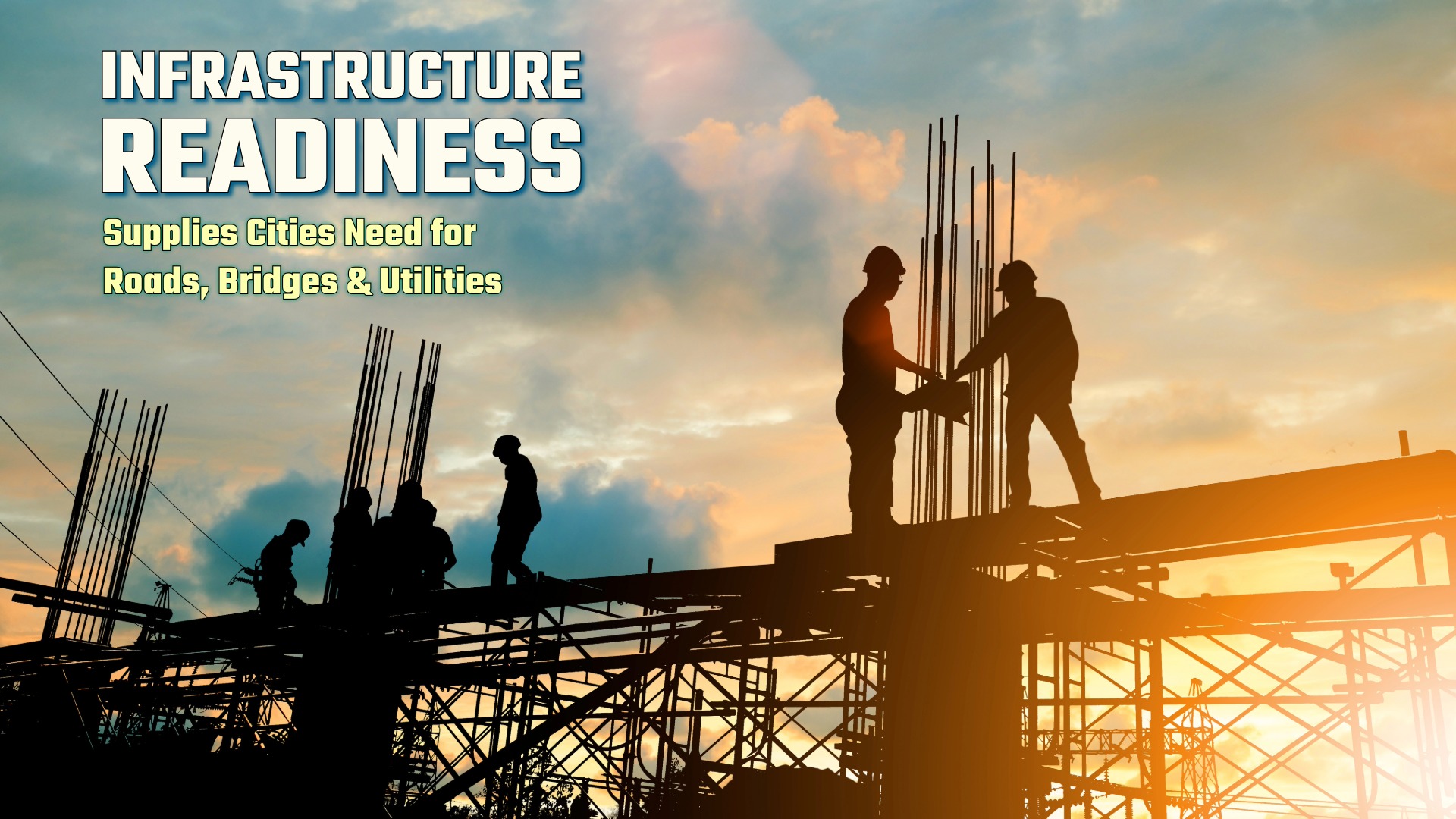
Infrastructure Readiness: Supplies Cities Need for Roads, Bridges & Utilities
As cities across the U.S. continue to invest in modernizing their infrastructure, readiness goes far beyond blueprints and budgets. Municipalities must ensure they have the right infrastructure supplies in place to support large-scale projects, from road expansions to bridge repairs and utility upgrades. Whether funded through local capital projects or federal infrastructure bills, having the right materials available on time is essential for success.
Why Infrastructure Supplies Matter
Behind every groundbreaking ceremony is a supply chain that fuels the work. For cities, infrastructure supplies aren’t just a procurement line item—they’re the building blocks of safe, resilient communities. From asphalt for paving streets to steel beams for bridges and piping for water systems, these supplies determine not only how quickly a project is completed but also its long-term durability.
With infrastructure investment on the rise, cities that prepare their supply chains early are better positioned to avoid delays, minimize costs, and meet public expectations.
Roads: The Foundation of Mobility
For roadway construction and repair, cities typically need:
-
Asphalt and concrete for paving and resurfacing.
-
Rebar, aggregates, and binding agents for strengthening foundations.
-
Traffic control materials such as signage, barriers, and striping supplies.
Urban growth often strains transportation systems. Readiness with these materials ensures smoother commutes, safer roads, and fewer costly maintenance cycles.
Bridges: Strength and Stability
Bridges require highly specialized supplies due to safety demands and structural complexity. Common needs include:
-
Structural steel and precast concrete for decking and supports.
-
Expansion joints and bearings to handle traffic load and temperature shifts.
-
Protective coatings and sealants for corrosion resistance.
With many U.S. bridges aging beyond their intended lifespan, the demand for these materials is growing rapidly. Cities must prioritize sourcing high-quality supplies to extend service life and reduce long-term risk.
Utilities: The Hidden Infrastructure
While roads and bridges are highly visible, utilities—water, power, gas, and telecom—form the unseen backbone of modern life. Essential supplies include:
-
PVC, ductile iron, and steel piping for water and sewage systems.
-
Transformers, cabling, and conduits for electrical and broadband expansion.
-
Valves, meters, and sensors to improve efficiency and monitoring.
Utility upgrades are critical for resilience, especially as cities face pressures from population growth, climate change, and digital connectivity needs.
Building Resilient Supply Chains
Cities often face challenges in sourcing infrastructure supplies, including:
-
Price volatility for steel, asphalt, and concrete.
-
Global supply chain disruptions that delay shipments.
-
Specialized equipment lead times for utilities and bridge components.
Strategic procurement—partnering with reliable suppliers, pre-purchasing critical materials, and diversifying sourcing—can help municipalities stay ahead of these risks.
Conclusion: Planning Ahead for Success
Infrastructure readiness means more than project design—it’s about ensuring access to the supplies cities need for roads, bridges, and utilities before the first shovel hits the ground. By aligning supply chains with project timelines, cities can safeguard public safety, optimize budgets, and build stronger, more resilient communities.
For municipal leaders, the time to secure infrastructure supplies is not when the project begins, but well before—because preparedness is the true foundation of progress.