

Amazon’s Descent into the Ultra-Cheap Market: A Continuous Fight to the Bottom
We Told You So
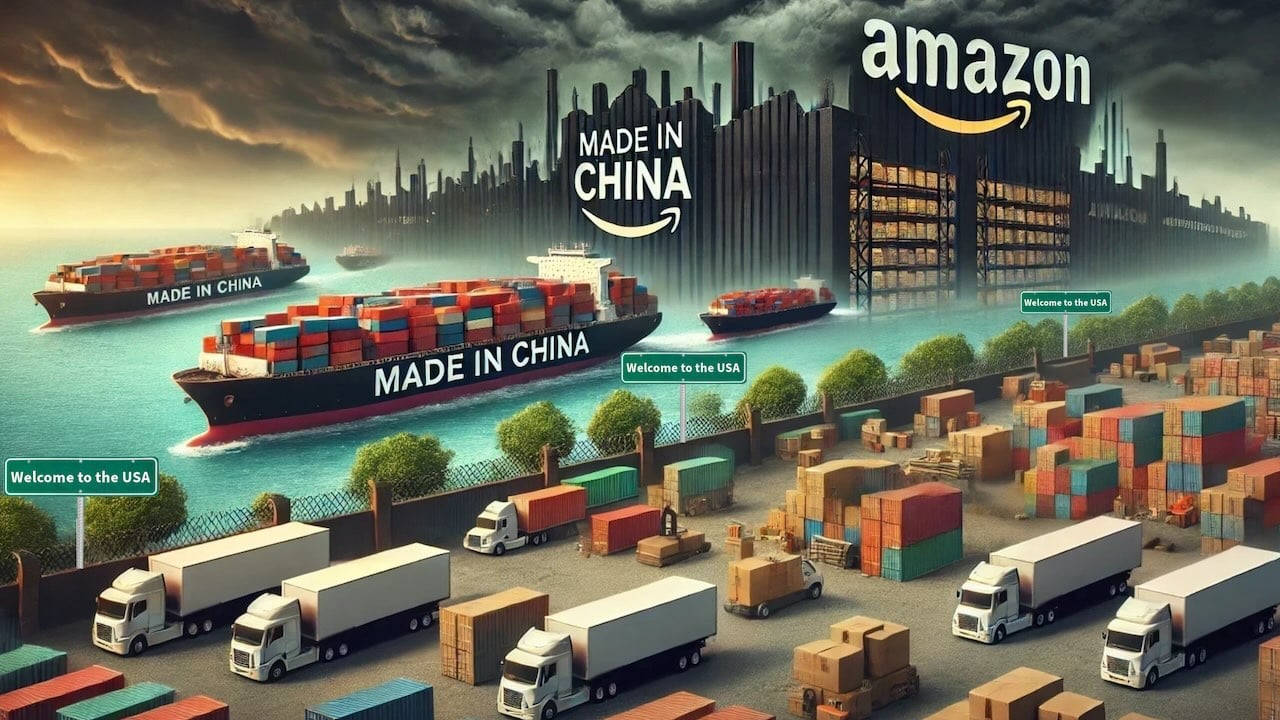
For years, we at GoVets have been cautioning about the rise of ultra-cheap e-commerce platforms like Temu and Shein, and the potential impact on the broader retail landscape. As we predicted, Amazon has now taken a significant step to compete in this low-end market by launching a section dedicated to ultra-cheap goods shipped directly from China. As Jason Aten from Inc. highlights, “Amazon is introducing a new section allowing Chinese sellers to ship low-cost products directly to U.S. customers” (Aten, 2024) . This move aims to counter the growing popularity of Temu and Shein, representing a dramatic shift in Amazon’s strategy and underscoring the competitive pressures in the e-commerce industry .
Amazon Falls to the Dark Side
Amazon’s new initiative to sell low-cost items from China is a stark departure from its traditional focus on fast delivery and higher-quality products. This strategy highlights Amazon’s willingness to compromise on product quality and delivery speed to maintain its competitive edge. “Amazon plans to launch a new service to compete with Shein and Temu, allowing Chinese sellers to ship products directly to U.S. customers” (Fox Business, 2024) . By adopting tactics similar to Temu and Shein, Amazon is clearly prioritizing market share over its established standards. This shift is not just a tactical adjustment but a significant change in Amazon’s business philosophy .
The Temu and Shein Effect
Temu and Shein have made significant inroads into the e-commerce market by offering extremely low-priced products directly from Chinese manufacturers. These platforms have capitalized on the demand for budget-friendly options, often at the expense of quality and delivery speed. Amazon’s decision to enter this space indicates a recognition of the growing threat posed by these competitors and a strategic pivot to capture a share of this market segment. “This initiative targets budget-conscious consumers, offering lower prices with extended delivery times” (Fox Business, 2024) .
A Continuous Fight to the Bottom
Amazon’s entry into the ultra-cheap market marks a continuation of the downward spiral in e-commerce pricing strategies. This relentless competition to offer the lowest prices is driving down standards and squeezing out smaller businesses that cannot compete with the rock-bottom costs of Chinese goods. “The race to offer the lowest prices is eroding profit margins and discouraging investment in innovation and quality improvement” (Marketplace, 2024) . The race to the bottom benefits no one in the long run, as it leads to reduced product quality, compromised labor standards, and unsustainable business practices .
Impact on Market Dynamics
The e-commerce landscape is increasingly characterized by cutthroat competition on price, often at the expense of other important factors such as product quality, customer service, and sustainability. This trend is detrimental to the overall health of the market, as it forces businesses to constantly lower their prices to stay competitive, eroding profit margins and discouraging investment in innovation and quality improvement .
This Does Not Help US Businesses Compete
Amazon’s shift towards ultra-cheap imports does not bode well for US businesses. The focus on low-cost goods undermines local manufacturers and retailers who cannot compete with the cheap labor and production costs in China. As noted in the Wall Street Journal, “Amazon’s new shopping channel will sell low-cost Chinese goods, directly competing with Temu and Shein” (WSJ, 2024) . This trend exacerbates the challenges faced by domestic businesses, which are already struggling to maintain their market share in the face of increasing global competition.
How US Businesses Can Compete
1. Expand Brand and Services: US businesses should focus on building strong brands that emphasize quality, sustainability, and exceptional customer service. By offering unique products and superior service, they can differentiate themselves from low-cost competitors.
2. Diversify Sales Channels: Businesses should not rely solely on Amazon. Selling on other marketplaces like GoVets or developing their own e-commerce websites can provide more control over pricing and customer experience. Diversifying sales channels also reduces dependency on a single platform, mitigating risks associated with policy changes or competitive pressures from Amazon.
3. Leverage First-Party Data: Gathering and utilizing first-party customer data allows businesses to tailor their marketing efforts and build direct relationships with their customers. This approach enhances customer loyalty and increases repeat sales. By understanding their customers’ preferences and behaviors, businesses can offer personalized experiences that differentiate them from competitors.
4. Emphasize Quality and Sustainability: In a market flooded with cheap goods, quality and sustainability can be significant differentiators. Businesses that prioritize these values can attract consumers who are willing to pay a premium for products that are well-made, environmentally friendly, and ethically sourced.
If You Can’t Beat ’Em, Join ’Em
Amazon’s recent moves signify that even the e-commerce giant recognizes the difficulty in outpacing Temu and Shein’s model of low-cost, direct-from-China sales. As a result, Amazon appears to be adopting a strategy of “if you can’t beat ’em, join ’em.” According to the Wall Street Journal, “Amazon is creating a new shopping channel to sell low-cost Chinese goods, directly competing with Temu and Shein” (WSJ, 2024) .
Emulating the Competition
Amazon’s new discount section, offering low-cost goods directly from China, mirrors the operational models of Temu and Shein. By incorporating similar business tactics, Amazon is conceding that its previous strategies are insufficient to curb the growth of these budget-focused competitors .
Strategic Adaptation
This pivot demonstrates Amazon’s flexibility and willingness to adapt to changing market dynamics. By embracing a business model that has proven successful for its competitors, Amazon aims to capture a portion of the market that prioritizes price over quality and speed. This approach, however, raises questions about the long-term implications for product standards and consumer expectations .
Amazon and Jeff Bezos: Not Pro-US Business
Amazon’s latest move further underscores that its primary allegiance is to its own growth and market dominance, rather than supporting US businesses. Jeff Bezos’s strategy has always focused on expanding Amazon’s reach and market share, often at the expense of fostering a healthy competitive environment for domestic enterprises. This approach reveals a clear preference for Amazon’s interests over those of the broader US business community .
The Hypocrisy of Amazon’s Strategy
Amazon’s strategy to enter the ultra-cheap market stands in stark contrast to its public image of supporting small businesses and promoting local economies. While the company often touts its support for small sellers on its platform, the reality is that these sellers are increasingly squeezed by Amazon’s aggressive pricing tactics and expanding product range. This dual approach highlights the inherent conflict in Amazon’s business model, which seeks to dominate the market while projecting an image of benevolence and support for small businesses .
The Case for Breaking Up Amazon
The dominance of Amazon in the e-commerce sector raises significant concerns about monopolistic practices and the stifling of competition. The company’s ability to undercut competitors by leveraging its vast resources and scale poses a serious threat to fair competition. Breaking up Amazon could create a more balanced marketplace, allowing smaller businesses to thrive without the overwhelming pressure from a single dominant player .
Why Breaking Up Amazon Is Necessary
1. Restore Competitive Balance: Breaking up Amazon would help restore a competitive balance in the market, ensuring that no single entity has disproportionate power to dictate terms and prices. This would encourage innovation and diversity in the marketplace.
2. Protect Small Businesses: Smaller businesses would benefit from a more level playing field, where they can compete based on quality, service, and innovation, rather than being forced into a price war with a behemoth like Amazon.
3. Promote Fair Labor Practices: A breakup could lead to better labor practices by reducing the pressure on suppliers and manufacturers to cut costs at the expense of worker welfare. It would also encourage fair wages and better working conditions throughout the supply chain.
4. Enhance Consumer Choice: Consumers would benefit from a wider range of choices, with more businesses able to compete effectively. This diversity would lead to better products and services, as companies strive to meet the varied needs and preferences of their customers.
Guidance for US Businesses
To navigate the challenges posed by Amazon’s new strategy and the broader competitive landscape, US businesses must adopt proactive measures to strengthen their market position.
Expanding Brand and Services
1. Invest in Branding: Develop a strong brand identity that resonates with your target audience. Focus on storytelling, values, and unique selling propositions that set your brand apart from competitors.
2. Enhance Customer Experience: Provide exceptional customer service, easy returns, and fast shipping options to create a seamless shopping experience. Personalized customer interactions can significantly boost loyalty and repeat purchases.
3. Innovate and Diversify: Continuously innovate your product offerings and explore new market segments. Diversification can help mitigate risks and open up new revenue streams.
Diversifying Sales Channels
1. Own Your E-Commerce Platform: Building your own e-commerce website gives you full control over the customer experience, pricing, and data. Use platforms like Shopify or WooCommerce to create a robust online presence.
2. Explore Other Marketplaces: Sell on multiple marketplaces like GoVets, eBay, and Walmart to reach a broader audience. Each platform has its unique user base and advantages, providing opportunities to expand your reach.
3. Leverage Social Commerce: Utilize social media platforms like Instagram, Facebook, and Pinterest to sell directly to consumers. Social commerce is growing rapidly and offers a direct connection to your audience.
Leveraging First-Party Data
1. Collect Customer Data Ethically: Implement strategies to gather first-party data through email sign-ups, loyalty programs, and customer feedback. Ensure transparency and ethical data practices to build trust.
2. Utilize Data for Personalization: Use customer data to personalize marketing messages, product recommendations, and promotions. Personalization can enhance the shopping experience and drive higher conversion rates.
3. Analyze and Act: Regularly analyze customer data to identify trends, preferences, and pain points. Use these insights to make informed decisions about product development, marketing strategies, and customer service improvements.
Conclusion
Amazon’s entry into the ultra-cheap market is a concerning development that underscores the ongoing race to the bottom in e-commerce. This shift poses significant challenges for US businesses, which must find ways to differentiate themselves in an increasingly price-driven market. By expanding their brand and services, diversifying sales channels, and leveraging first-party data, US businesses can strengthen their competitive position and thrive despite the pressures from Amazon and other low-cost competitors.
Bibliography
1.GoVets Blog. “Should Amazon Be Afraid of Temu? Is This Karma for the E-Commerce Giant?” Accessed July 2024. https://www.govets.com/blog/post/should-amazon-be-afraid-of-temu-is-this-karma-for-the-e-commerce-giant.
2.GoVets Blog. “Shein: Stealing Deals or Stealing Ethics? A Moral Minefield for Holiday Shoppers.” Accessed July 2024. https://www.govets.com/blog/post/shein-stealing-deals-or-stealing-ethics-a-moral-minefield-for-holiday-shoppers.
3.GoVets Blog. “Amazon’s Monopoly and Its Impact on Small Businesses: A Call for Government Intervention.” Accessed July 2024. https://www.govets.com/blog/post/amazons-monopoly-and-its-impact-on-small-businesses-a-call-for-government-intervention.
4.GoVets Blog. “The Amazon Debate: Assessing the Impact and Exploring Alternatives.” Accessed July 2024. https://www.govets.com/blog/post/the-amazon-debate-assessing-the-impact-and-exploring-alternatives.
5.GoVets Blog. “Navigating the Amazon Paradox: Impact, Lawsuits, and Strategies for Small Businesses.” Accessed July 2024. https://www.govets.com/blog/post/navigating-the-amazon-paradox-impact-lawsuits-and-strategies-for-small-businesses.
6.Inc.com. “Amazon Just Quietly Announced a Big Change to Its Website.” Accessed July 2024. https://www.inc.com/jason-aten/amazon-just-quietly-announced-a-big-change-to-its-website.html.
7.Fox Business. “Amazon Launching Shein and Temu Competitor with Direct Shipping from China.” Accessed July 2024. https://www.foxbusiness.com/markets/amazon-launching-shein-temu-competitor-direct-shipping-china.
8.Wall Street Journal. “Amazon Plans Channel for Low-Cost China Goods to Fend Off Temu, Shein.” Accessed July 2024. https://www.wsj.com/business/retail/amazon-plans-channel-for-low-cost-china-goods-to-fend-off-temu-shein-09eea278.
9.Marketplace.org. “Amazon Set to Create ‘Discount’ Section with Goods Shipped Direct from China.” Accessed July 2024. https://www.marketplace.org/2024/06/28/amazon-launches-discount-section-china-temu-shein/.